
 Property advice
Introduction: Maintaining a property in optimal condition is a shared responsibility between tenants and landlords. This collaborative effort not only contributes to the longevity and value of the property but also fosters a positive and cooperative relationship. In this article, we delve into the responsibilities of both tenants and landlords concerning property maintenance and care, emphasizing the importance of communication and timely action.
Tenant Responsibilities:
- Prompt Reporting of Maintenance Issues:
- Tenants play a crucial role in property maintenance by promptly reporting any issues that may arise. This includes plumbing problems, electrical issues, or any damages to the property. Timely reporting allows landlords to address problems before they escalate.
- Routine Care Tasks:
- Tenants are responsible for routine care tasks that contribute to the overall cleanliness and well-being of the property. This involves regular cleaning, proper waste disposal, and maintaining a clutter-free living space.
- Responsible Pet Ownership:
- If tenants have pets, responsible pet ownership is essential for property care. This includes cleaning up after pets, preventing damage to the property, and adhering to any pet-related terms outlined in the lease agreement.
Landlord Responsibilities: 4. Timely Response to Maintenance Requests:
- Landlords should respond to maintenance requests in a timely manner. Addressing issues promptly not only ensures the well-being of the tenants but also prevents minor problems from turning into major repairs.
- Routine Property Inspections:
- Landlords may conduct routine property inspections to assess its condition. These inspections help identify potential issues early on and allow for proactive maintenance measures.
- Providing Necessary Upkeep:
- It is the responsibility of landlords to provide necessary upkeep for the property. This includes regular maintenance of heating, ventilation, and air conditioning (HVAC) systems, as well as addressing structural and cosmetic aspects of the property.
The Importance of Communication: 7. Open Communication Channels:
- Open communication between tenants and landlords is essential for effective property maintenance. Tenants should feel comfortable reporting issues, while landlords should maintain open channels for feedback and updates.
- Reporting in Writing:
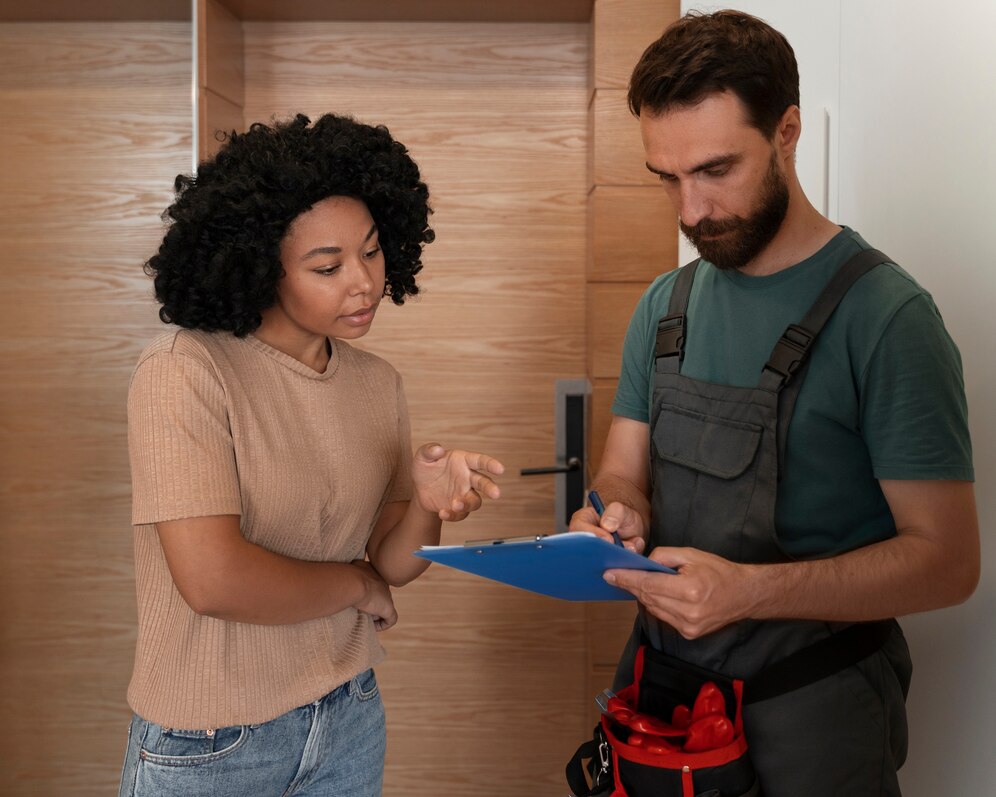
- Tenants should report maintenance issues in writing, providing a clear description of the problem. Landlords, in turn, should respond in writing, outlining the proposed solution and expected timeline for resolution.
- Clear Lease Terms:
- Lease agreements should include clear terms regarding property maintenance responsibilities for both parties. This ensures that expectations are established from the beginning, minimizing misunderstandings.
Handling Property Care Challenges: 10. Understanding Each Other’s Perspectives: – In situations where challenges arise, understanding each other’s perspectives is crucial. Tenants may face constraints in performing certain maintenance tasks, and landlords should be receptive to these challenges.
- Flexibility and Cooperation:
- Both tenants and landlords should approach property care challenges with flexibility and a cooperative mindset. Finding mutually agreeable solutions, such as scheduling repairs during convenient times, enhances the overall relationship.
Conclusion: Property maintenance and care are integral components of a successful tenant-landlord relationship. By recognizing their respective responsibilities and communicating openly, tenants and landlords can create a living environment that is not only well-maintained but also conducive to mutual respect and cooperation. This shared commitment to property care not only preserves the value of the property but also contributes to a positive and harmonious living experience for all parties involved.